 Sunnyvale, CA
Broken Tooth Repair: What to Do Before You See a Dentist
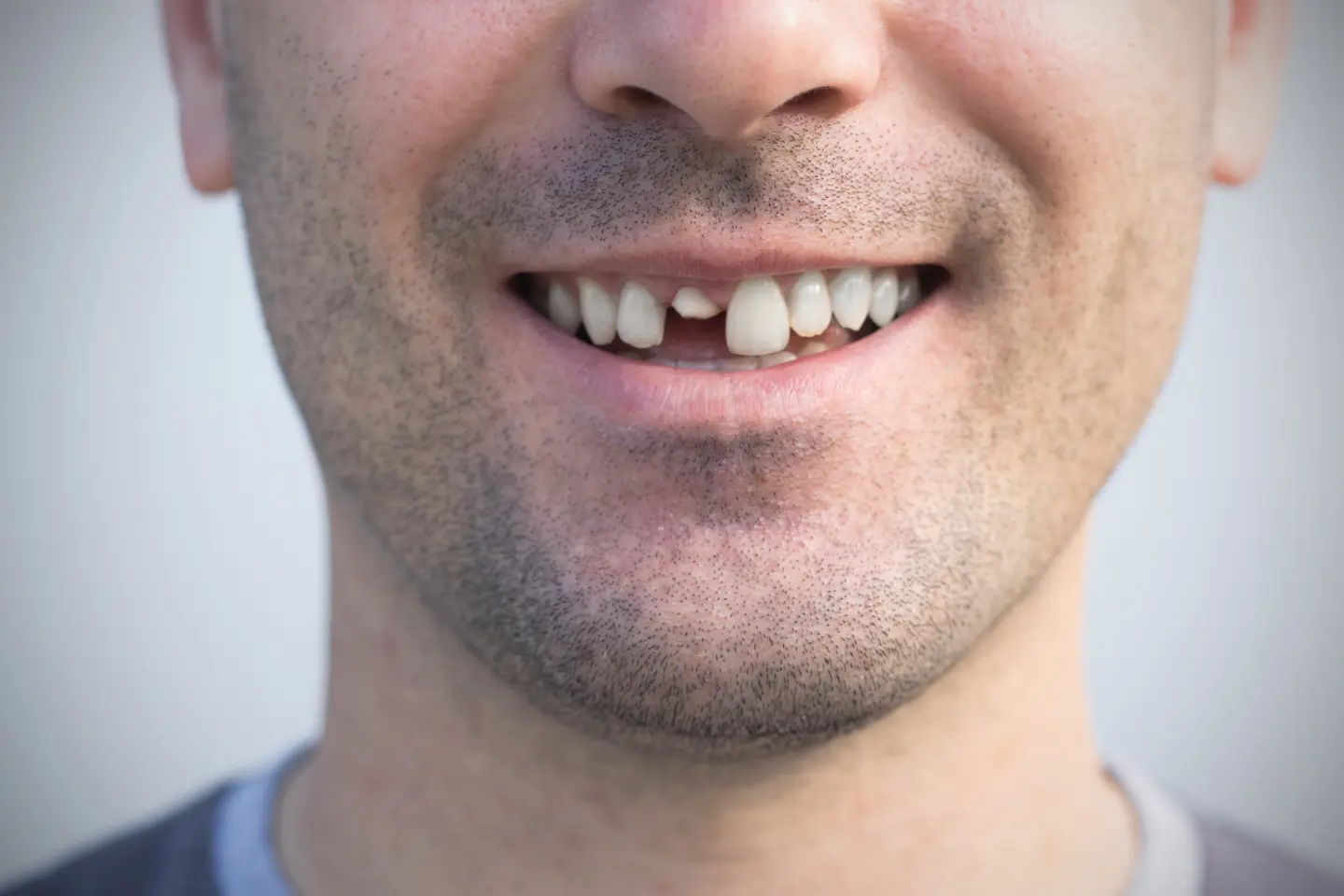
Cracking or breaking a tooth can turn an ordinary day upside down in a second. Whether you bit down on a hard kernel, took a sudden bump during a game, or simply noticed an old filling finally giving way, the immediate feeling is almost always alarming. That sharp edge scraping your tongue and the quick splash of panic about what comes next can feel overwhelming.
It is completely normal to feel stressed when an unexpected dental injury pops up, but taking a few sensible steps at home can make a real difference. Knowing how to protect your mouth, keep discomfort under control, and save any loose fragments helps prevent extra trouble while you set up an appointment.
At Akshar Family Dental, our team treats every patient with real empathy, gentle care, and fast clinical attention. While a damaged tooth definitely needs a look from a trained dental team, taking the right basic steps right away sets the stage for a smoother, much more comfortable recovery.
Immediate First-Aid Steps for a Cracked or Broken Tooth
When a tooth breaks, your main goal is keeping the area clean and protecting your cheeks and tongue from sharp enamel edges. Taking quick, careful action in the first couple of hours helps ward off infection and keeps unnecessary pain down.
- Save any broken tooth fragments: If a piece broke off clean, try to find it. Pick it up carefully by the chewing surface instead of the root area, rinse it gently in clean water, and pop it into a small cup of milk or saline to keep it moist.
- Rinse gently with warm salt water: Swishing with a warm saltwater mix (half a teaspoon of salt in a glass of warm water) clears away trapped food bits and cleans out bacteria around the spot.
- Protect your cheeks and tongue: Broken enamel often leaves rough, jagged edges that scratch the inside of your mouth. Covering the sharp spot with a dab of sugarless gum or temporary dental wax gives you a quick, smooth shield.
- Control bleeding with light pressure: If the bump caused bleeding along your gums, press softly with a piece of sterile gauze or a clean, damp tea bag for ten to fifteen minutes.
- Apply a cold compress: To keep facial swelling down, press an ice pack wrapped in a soft cloth against the outside of your cheek for ten minutes at a time.
Common Causes and Types of Broken Teeth
Getting a sense of what kind of damage happened gives you a better idea of what to expect when you head into the office. Teeth can fracture in a few different ways, from harmless surface lines to deep cracks that hit the sensitive inner nerve.
Craze Lines and Minor Chips
Craze lines are tiny, hairline cracks that only affect the outer enamel. They show up all the time in adult teeth, rarely hurt, and usually do not need urgent repair unless you want to fix them for looks. Small chips along the biting edges of front teeth fall into this category too.
Fractured Cusp
A cusp is the pointed chewing corner on a back molar. When a cusp weakens because of an old, large filling or heavy chewing pressure, it can snap off. A fractured cusp rarely damages the nerve inside, but it usually leaves a sharp edge that needs a crown or bonding to smooth out.
Cracked Tooth and Deep Fractures
A cracked tooth means a fracture line runs from the chewing surface down toward the root. The tooth stays in one piece, but normal biting pressure makes the crack flex, causing quick, sharp pain. If that crack reaches deep into the nerve chamber, a root canal is often needed to save the natural structure.
Split Tooth or Vertical Root Fractures
If a cracked tooth goes untreated for a while, the split can spread until the tooth separates into two distinct parts. Vertical root fractures start down below the gumline and work their way up. Deep structural damage like this usually makes saving the natural tooth unrealistic, so extraction and replacement end up being the safest route.
How Dentists Fix a Broken Tooth: Treatment Options Explained
When you come into the clinic, your dentist will take digital X-rays and do a thorough check to suggest the best broken tooth repair approach for your exact situation. The main goals are always removing discomfort, bringing back normal chewing function, and keeping as much healthy enamel as possible.
Composite Bonding
For minor chips and small surface breaks, composite dental bonding offers a fast, single-visit fix. Your dentist uses a tooth-colored resin that matches your natural shade, shaping it right onto the tooth to rebuild its look before setting it with a curing light.
Custom Dental Crowns
When a big chunk breaks away or a cusp snaps off, a dental crown provides complete coverage. The crown works like a sturdy cap, covering the remaining tooth so it can handle normal chewing pressure without splitting further.
Root Canal Therapy
If a deep crack opens up the delicate pulp and nerve tissue inside your tooth, bacteria can move in fast and cause an infection. Root canal treatment clears out the sore pulp, cleans the internal root canals, and seals the tooth before putting a crown over it.
Tooth Extraction and Replacement
When a split tooth or root fracture ruins the tooth structure below the gumline, removing what remains protects your surrounding jawbone and nearby teeth. From there, your dentist can talk you through options like dental implants or bridges.
Managing Pain and Sensitivity Before Your Dental Visit
Depending on when your injury happens, it might take a few hours or until the next morning to get into the dental chair. Managing symptoms safely at home keeps you comfortable while you wait.
Over-the-counter pain relievers can help calm down throbbing feelings and ease swelling. Use them strictly according to the package directions. Never place aspirin or pain medication directly onto your gums or the exposed tooth surface, because that can cause painful chemical burns on delicate tissue.
Stick to soft, mild foods like applesauce, yogurt, scrambled eggs, or warm soup. Avoid chewing on the side where the damage is, and stay away from very hot, icy, sweet, or acidic drinks that can trigger sharp nerve sensitivity.
Schedule Your Broken Tooth Repair at Akshar Family Dental Today
You do not have to put up with the pain, worry, or rough edges of a damaged tooth. At Akshar Family Dental, our team focuses on giving you quick, gentle, and effective care when you need it most. We make space for urgent visits so we can check your injury, get you out of pain, and guide you through your repair options in a relaxed setting.
If you or someone in your family is dealing with a damaged tooth, get in touch with Akshar Family Dental right away to book your visit and get your smile back to feeling normal!
Frequently Asked Questions About Broken Tooth Care
Q: Is a broken tooth considered a medical or dental emergency?
A: It depends on how bad it is. A minor chip without any pain can usually wait a couple of days for a standard slot. But if you have severe pain, bleeding that will not stop, visible nerve exposure, or cheek swelling, you should see an emergency dentist right away to avoid deeper complications.
Q: Can a broken tooth heal or repair itself over time?
A: Unlike a broken bone, tooth enamel does not have living cells that can regrow or knit back together. Once a tooth cracks or breaks, it needs professional care to seal the surface and restore its strength.
Q: How much does a broken tooth repair usually cost?
A: Costs vary depending on how extensive the damage is and the procedure needed. A simple bonding fix costs much less than a full crown or root canal. Your dental team can give you clear price details after checking the tooth.
Q: What happens if I ignore a broken tooth that does not hurt?
A: Even if a damaged tooth feels fine right now, leaving open cracks or exposed layers alone gives bacteria a way in over time. That often leads to hidden decay, deep nerve issues, abscesses, and bigger repairs later on.


Office Hours
Mon, Tues, Wed, &
Thurs, Sat, & Sun: Closed


Akshar Family Dental provides compassionate, high-quality dental care focused on creating healthy, confident smiles for patients of all ages.


© 2026 Akshar Family Dental | All Rights Reserved | Privacy Policy | Digital Marketing by Remedo