 Sunnyvale, CA

How Long Does a Crown Last?
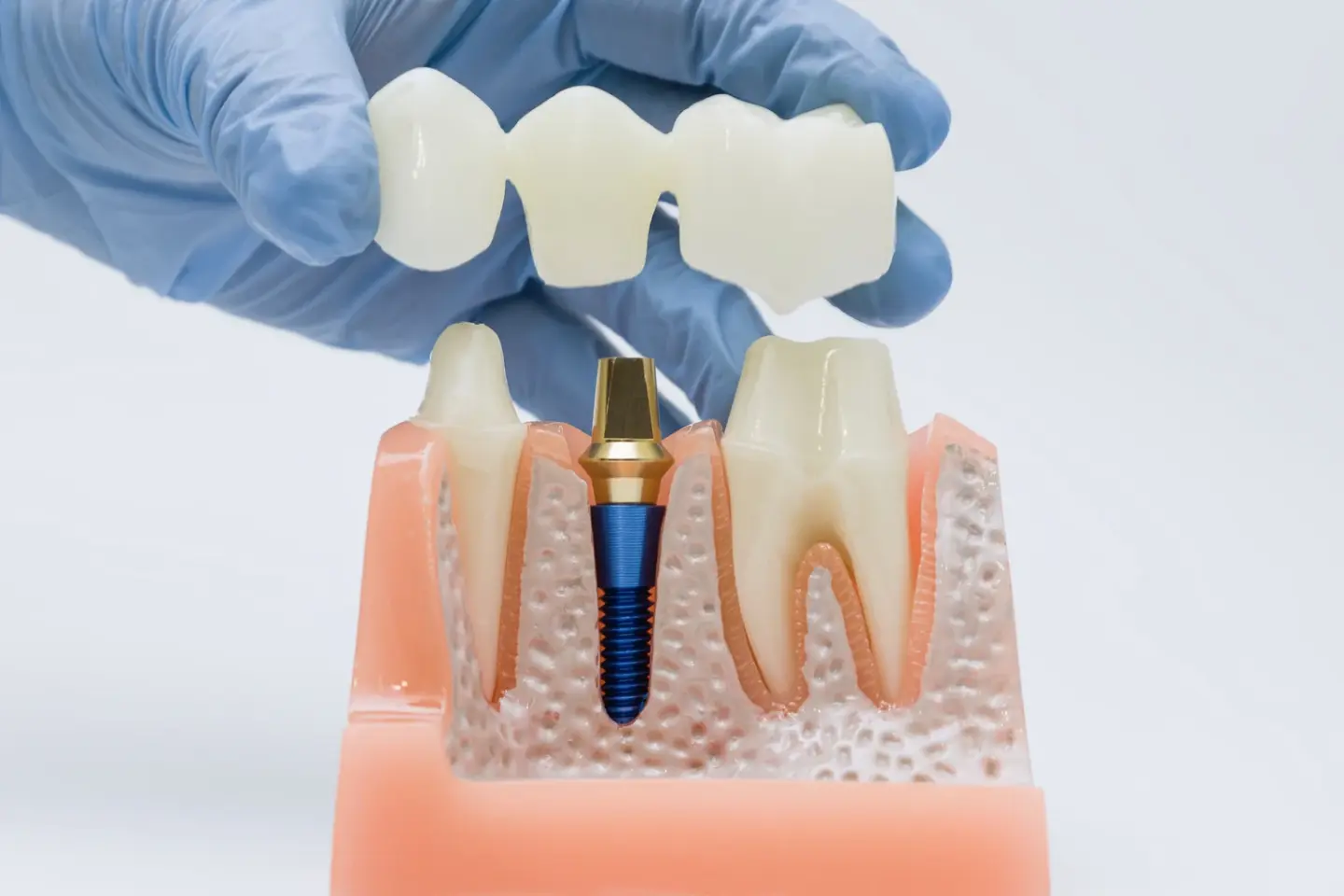
Investing in a dental restoration is an important step toward protecting your smile, restoring bite strength, and ending tooth pain. When your clinician recommends capping a compromised tooth, it is completely natural to wonder: how long does a crown last on average?
A dental crown is a custom-fitted cap designed to fit over a damaged, cracked, or heavily filled tooth. It restores the original shape, size, strength, and cosmetic appearance of your natural tooth. While crowns are built to handle daily chewing forces, they do not last indefinitely.
Understanding the typical lifespan of a restoration, along with the everyday habits that influence durability, can help you preserve your investment for years to come. Here is a clear, practical guide to understanding how long a crown lasts and how to maximize its longevity.
What Is the Average Lifespan of a Dental Crown?
When considering how long a crown lasts, most standard clinical estimates place the lifespan of a dental crown between 5 and 15 years. However, with excellent daily home care, soft-tissue health, and regular professional dental checkups, many crowns comfortably last 20 years or even longer.
The wide variation in lifespan exists because a crown does not operate in isolation. It relies on the health of the natural tooth structure underneath, the surrounding gum tissue, and your daily bite habits. Knowing how long a crown lasts helps set realistic expectations for long-term oral maintenance.
While the crown itself is made from durable, non-decaying materials like porcelain, zirconia, or metal alloys, the natural tooth underneath remains vulnerable to recurrent tooth decay at the margin line where tooth and crown meet.
Key Factors That Influence How Long Your Dental Crown Will Last
Several daily habits, physiological factors, and material choices directly influence how long a crown lasts in your mouth.
1. Material Selection
The material used to craft your crown plays a major role in its overall durability:
- Zirconia and Porcelain-Fused-to-Metal (PFM): Known for superior structural strength, making them ideal choices for back molars that endure heavy chewing pressure.
- All-Ceramic or All-Porcelain: Excellent for front teeth due to their natural translucency and shade-matching capability, though they can be slightly more prone to minor surface chipping under heavy impact.
- Gold or Metal Alloys: Highly durable and gentle on opposing enamel, though less commonly chosen today for visible areas due to cosmetic preferences.
2. Oral Hygiene and Gum Care
The leading cause of dental crown failure is not the breakdown of the crown material itself, but recurrent decay developing along the lower margin. Plaque buildup around the gumline can allow bacteria to seep beneath the restoration, weakening the underlying tooth support.
3. Teeth Grinding and Jaw Clenching (Bruxism)
If you habitually grind or clench your teeth during sleep, you place significant extra pressure on your dental work. Over time, chronic bruxism can cause micro-fractures in ceramic crowns or loosen the underlying dental cement. Wearing a custom-fitted nightguard helps protect both your natural teeth and restorations from excessive wear.
4. Biting and Chewing Habits
Using your teeth as tools to open plastic packaging, chewing on ice cubes, or biting hard objects like pens can chip or dislodge a crown unexpectedly. Simple adjustments to daily habits can significantly protect your dental restorations.
5. Location of the Restored Tooth
Back molars bear the brunt of heavy grinding and chewing forces during meals. As a result, crowns placed on back teeth may experience more daily physical stress than restorations placed on less active front teeth.
Clear Signs Your Dental Crown May Need Replacement or Repair
Even well-crafted restorations eventually show signs of wear. Knowing what to watch for helps you address minor issues before they turn into major dental emergencies.
Key signs that your crown may need clinical evaluation include:
- Persistent Discomfort or Sensitivity: New sensitivity to hot, cold, or biting pressure can indicate inflammation beneath the crown or a compromise in the cement seal.
- Visible Chipping or Cracking: Small surface chips in porcelain can sometimes be smoothed, but larger cracks usually require replacing the crown to prevent bacterial buildup.
- Noticeable Receding Gumline: As gums naturally age or recede, the unshielded root margin of the underlying tooth may become exposed, creating aesthetic issues or sensitivity.
- A Feeling of Looseness or Uneven Bite: If your crown feels unstable when chewing, the dental cement holding it in place may have dissolved or washed out.
- Dark Lines Near the Gum Margin: A dark line near the base of a PFM crown may simply be the underlying metal framework showing as gums recede, but it can also signal bacterial accumulation requiring inspection.
Simple Steps to Help Your Dental Crown Last Longer
Taking good care of your restored tooth requires very little extra effort beyond standard high-quality hygiene practices.
To maximize how long a crown lasts, keep these daily care tips in mind:
- Brush Twice Daily with Fluoride Toothpaste: Clean thoroughly around the base of the crown to keep plaque away from the margin line.
- Floss Around the Restored Tooth Daily: Gently slide dental floss between teeth and down to the gumline to clean tight spaces where toothbrushes cannot reach.
- Wear a Nightguard if You Grind Your Teeth: Protect your crown from nocturnal jaw pressure with a custom-fitted nightguard.
- Avoid Chewing Extremely Hard or Sticky Foods: Steer clear of hard candies, ice, and overly sticky caramels that can loosen or pull at dental crowns.
- Maintain Routine Professional Cleanings: Visit your dental team twice a year for comprehensive examinations and professional cleanings to catch minor margin changes early.
Schedule Your Dental Crown Evaluation with Akshar Family Dental
If you have an older restoration and want to evaluate how long a crown lasts in your specific case, professional guidance is essential. The dedicated team at Akshar Family Dental provides thorough, compassionate evaluations to help preserve your natural teeth and keep your smile healthy. Whether you need to restore a compromised tooth or inspect an existing crown, Akshar Family Dental offers individualized treatment plans tailored to your needs. Contact Akshar Family Dental today to schedule your consultation and keep your smile functioning comfortably for years to come.
Frequently Asked Questions About Dental Crown Lifespan
Q: Can a dental crown fall off, and what should I do if it does?
A: Yes, crowns can occasionally become loose if the underlying cement degrades or if you bite into something sticky. If a crown comes off, keep it safe, avoid chewing on that side, and contact your dental office promptly so it can be evaluated and re-cemented safely.
Q: Is it painful to replace an old dental crown?
A: Replacing an old crown is usually a smooth, comfortable procedure. Local anesthesia is used to numb the area, ensuring you feel comfortable while the old crown is carefully removed and the tooth prepared for a fresh replacement.
Q: Can a tooth under a crown still get a cavity?
A: Yes. While the artificial crown itself cannot decay, the natural tooth structure underneath and around the gumline margin can still develop cavities if plaque is allowed to accumulate.
Q: How do I know if my old crown needs to be replaced?
A: Your clinician will inspect your crown during routine checkups, using visual inspection and digital X-rays to check for margin wear, underlying decay, or structural fractures.
Q: Will dental insurance cover replacing an older crown?
A: Many medical and dental insurance plans offer partial coverage for replacing crowns that are past a certain age limit, typically 5 to 7 years, if replacement is clinically necessary. It is best to review your policy details with your dental office staff.


Office Hours
Mon, Tues, Wed, &
Thurs, Sat, & Sun: Closed


Akshar Family Dental provides compassionate, high-quality dental care focused on creating healthy, confident smiles for patients of all ages.


© 2026 Akshar Family Dental | All Rights Reserved | Privacy Policy | Digital Marketing by Remedo