 Sunnyvale, CA
Regular Cleaning vs. Deep Cleaning: What's the Difference?
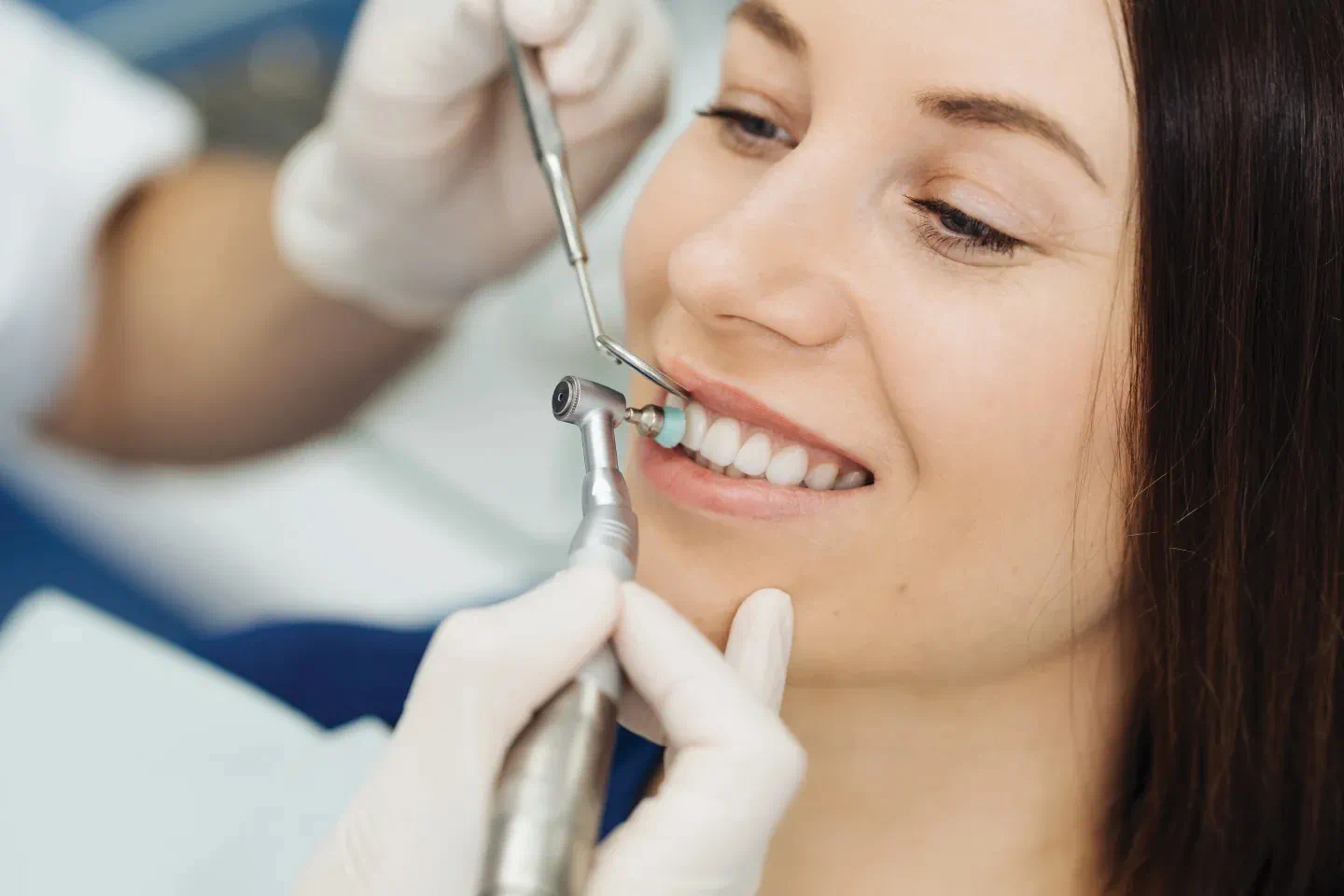
Hearing that you need a deep cleaning during a standard checkup can take you by surprise. Most people assume every visit to the dentist involves the exact same routine. You sit back, get your teeth polished, and head home until your next appointment six months down the road. So when your provider recommends scaling and root planing instead, it raises immediate questions about why a standard appointment will not cut it this time.
Understanding the real difference between regular cleaning vs deep cleaning helps clear up any confusion about your treatment options. Both procedures protect your teeth and gums, but they target completely different issues. One focuses on keeping healthy tissue clean, while the other treats hidden inflammation below the surface.
At Akshar Family Dental, clear guidance and gentle care always go hand in hand. Our team takes the time to walk you through your oral health evaluation so you can feel completely comfortable with every step of your care.
What Happens During a Standard Dental Cleaning?
A routine prophylactic visit is tailored for patients who already have stable, healthy gums and minimal bone loss around their teeth. Think of it as essential maintenance for your mouth. Its main goal is preventing surface issues before they turn into bigger health problems.
Even with thorough daily brushing and flossing, soft plaque hardens into a tough calcified material called tartar. Once tartar forms, standard toothbrushes simply cannot scrub it away. It requires professional instruments to remove safely from your enamel.
During a standard appointment, your hygienist cleans off plaque and tartar buildup along the visible surface of your teeth and just along the edge of your gums. They finish by polishing your enamel to lift surface stains. Patients usually schedule this type of routine care every six months to keep their gums firm and stop mild surface inflammation from getting worse.
What Is a Dental Deep Cleaning and When Is It Necessary?
If plaque and tartar sit beneath your gumline for too long, your body reacts by swelling. Over time, inflamed gums start pulling away from your tooth roots. This creates small spaces known as periodontal pockets. Once those pockets measure four millimeters or deeper, regular toothbrush bristles and basic hygiene tools can no longer reach the bacteria settling inside.
That is the moment a dental deep cleaning becomes necessary. Technically called scaling and root planing, this procedure reaches down into areas below the tissue line that standard care cannot touch.
The procedure centers on two key steps:
- Scaling: Specialized tools clear away built-up tartar, plaque, and bacterial colonies from the root surfaces deep inside your pocket walls.
- Root Planing: Your dental team gently smooths out rough spots on your root surfaces. Removing those rough textures makes it far harder for fresh bacteria to cling to your roots, which gives your gum tissue a clean environment to heal and reattach.
When comparing regular cleaning vs deep cleaning, location is the bottom line. Basic preventive care stays above the tissue line, while therapeutic care goes deep under your gums to treat active bacterial buildup.
Key Differences: Comparing Regular Cleaning vs Deep Cleaning
Sorting through your dental care options gets much easier when you break down how these two treatments compare in depth, goal, and appointment setup.
Main Clinical Objective
Preventive maintenance stops problems before they start by clearing plaque off healthy teeth. In contrast, deep therapeutic care actively treats early to moderate gum disease by clearing out infections hidden beneath your tissue line.
Treatment Area and Depth
A standard visit stays on the exposed crowns of your teeth. Scaling and root planing works far deeper, cleaning the hidden root structures inside deep pockets.
Appointment Length and Timing
Standard maintenance wraps up in a single appointment, usually under an hour. Deep treatments take more detailed work and are often split into two separate visits. Focusing on one side of your mouth at a time keeps things comfortable and manageable for you.
Comfort and Anesthesia
Since standard care works on enamel above your gums, numbing is almost never necessary. For scaling and root planing, your provider uses local numbing so your gums stay entirely comfortable while the roots are cleaned.
Talking through regular cleaning vs deep cleaning differences with your provider ensures your treatment plan matches your exact clinical needs.
How to Tell Which Type of Dental Cleaning You Need
Deciding between regular cleaning vs deep cleaning is never a guess. Your dental team relies on objective clinical findings to recommend the right level of care for your mouth.
- Measuring Periodontal Pockets: Your provider uses a tiny clinical measuring tool to check the space between your teeth and gums. Healthy pockets stay between one and three millimeters. Readings of four millimeters or higher usually mean scaling and root planing is needed.
- Checking for Bleeding and Swelling: Gums that bleed easily when probed, look unusually red, or feel puffy point to active bacterial buildup under your tissue.
- Reviewing Digital X-rays: X-ray images reveal hidden tartar under your gums along with any early bone loss around your roots.
- Evaluating Gum Recession: Exposed root surfaces and shifting gumlines signal chronic tissue irritation that requires focused therapeutic attention.
If your exam shows firm tissue and shallow pockets, standard preventive care is all you need. If early gum disease shows up, scaling and root planing protects the underlying support holding your teeth in place.
Aftercare Tips to Keep Your Gums Healthy After Treatment
Keeping your teeth and gums healthy after any appointment comes down to simple, regular habits at home.
- Keep Up Gentle Daily Hygiene: Brush twice a day using a soft toothbrush and light circular strokes. Floss daily to stop plaque from settling between your teeth.
- Use Warm Salt Water Rinses: If your gums feel slightly tender after scaling and root planing, swishing with warm salt water a few times a day soothes soft tissue naturally.
- Choose Softer Foods for a Couple Days: Stick with soft, mild foods right after treatment so your gums have time to settle without extra irritation.
- Stay on Your Recommended Visit Schedule: After completing deep treatment, moving to a three or four-month periodontal maintenance schedule keeps bacteria from building back up.
Following regular cleaning vs deep cleaning recovery guidance helps your gums heal firm, tight, and healthy over time.
Schedule Your Visit at Akshar Family Dental Today
Keeping your smile healthy should feel simple and straightforward. At Akshar Family Dental, our team is ready to answer all your questions about regular cleaning vs deep cleaning, evaluate your gum health in a warm environment, and build a care plan centered entirely around you.
Call Akshar Family Dental today to schedule your next appointment and keep your gums feeling their best!
Frequently Asked Questions About Cleaning Types
Q: Does a dental deep cleaning hurt?
A: Your comfort comes first. Local numbing is applied before scaling and root planing so you do not feel pain while the root surfaces are being cleaned. You might feel mild tissue tenderness for a day or two after the numbing wears off, but that clears up quickly.
Q: Can a regular cleaning take the place of a deep cleaning?
A: No. A standard appointment cannot replace deep care when deep pockets or root tartar exist. Basic hygiene tools cannot safely reach deep under your gumline, leaving harmful bacteria behind.
Q: How often will I need a deep cleaning?
A: For most patients, scaling and root planing is a one-time process to clear away deep buildup. Keeping up with regular maintenance visits every three to four months afterward keeps your gums healthy so you do not need the deep procedure repeated.
Q: How much difference in cost is there between regular cleaning vs deep cleaning?
A: Standard preventive maintenance is simpler and generally costs less. Scaling and root planing involves extensive clinical work and usually costs more. Most dental insurance plans offer coverage for both, though exact coverage depends on your specific plan.
Q: Will my gums reattach after a deep cleaning?
A: As smooth root surfaces heal and remain free of bacteria, inflammation drops. This allows swollen gum tissue to firm up, shrink back toward a healthy state, and fit more tightly around your teeth.
Q: What happens if I skip a recommended deep cleaning?
A: Leaving bacteria trapped under your gums allows inflammation to spread over time. That can lead to deeper pockets, loss of bone support around your roots, and loose teeth if left unmanaged.


Office Hours
Mon, Tues, Wed, &
Thurs, Sat, & Sun: Closed


Akshar Family Dental provides compassionate, high-quality dental care focused on creating healthy, confident smiles for patients of all ages.


© 2026 Akshar Family Dental | All Rights Reserved | Privacy Policy | Digital Marketing by Remedo