 Sunnyvale, CA

Types of Dental Crowns
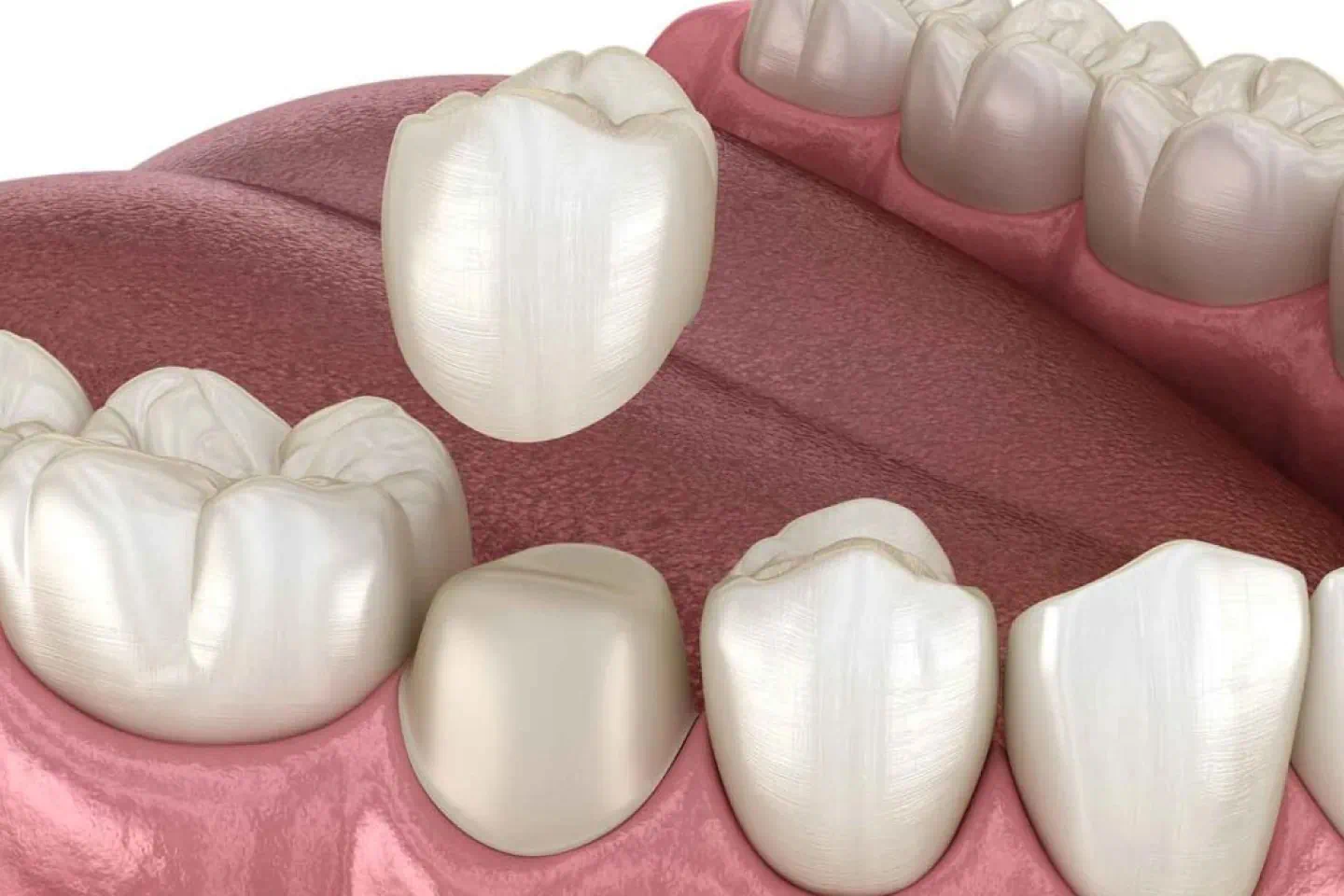
When a tooth suffers from significant decay, a structural fracture, or heavy wear, a simple filling may not provide enough support to protect it long-term. In these situations, placing a dental crown is often the most effective way to restore your tooth's original shape, strength, and function. However, if your dentist tells you that you need a restoration, you quickly realize that there isn't just one single option available. There are several different types of dental crowns, each crafted from unique materials designed to meet specific cosmetic and functional needs.
Choosing among the various types of dental crowns depends on several factors, including the location of the tooth in your mouth, your aesthetic preferences, budget considerations, and your personal chewing habits. Understanding how these material options compare allows you to take an active, informed role in your dental care journey.
Here is an in-depth, practical guide to the main types of dental crowns available today and how to decide which one fits your smile best.
What Are the Main Types of Dental Crowns Available Today?
Modern dental technology has expanded the range of materials used to craft custom tooth caps. Each material brings distinct strengths, aesthetic properties, and ideal clinical applications.
1. All-Porcelain or All-Ceramic Crowns
All-porcelain and ceramic restorations are renowned for offering the most natural appearance among all types of dental crowns. Because ceramic materials mimic the natural translucency, light reflection, and shade variations of real tooth enamel, these crowns blend seamlessly into your smile.
- Best Suited For: Front teeth (incisors and canines) where appearance is the primary priority.
- Key Benefits: Completely metal-free, highly aesthetic, biocompatible, and ideal for patients with metal sensitivities or allergies.
- Considerations: While durable, porcelain can be slightly more brittle under intense grinding pressure than metal or zirconia alternatives.
2. Zirconia Dental Crowns
Zirconia has quickly become one of the most popular types of dental crowns in modern restorative dentistry. Made from zirconium dioxide, an exceptionally strong ceramic material, zirconia crowns offer incredible resistance to chipping, cracking, and daily chewing wear.
- Best Suited For: Back molars that endure heavy biting pressure, as well as front teeth when layered with porcelain.
- Key Benefits: High durability, long lifespan, metal-free composition, and precise digital fitting.
- Considerations: Solid or monolithic zirconia can sometimes appear slightly more opaque than all-porcelain crowns, though multi-layered ceramic options have significantly improved their natural look.
3. Porcelain-Fused-to-Metal (PFM) Crowns
For decades, PFM crowns served as the industry standard, balancing aesthetic appeal with internal structural reinforcement. These restorations consist of a strong metal alloy base covered by a layer of tooth-colored porcelain baked on top.
- Best Suited For: Both front and back teeth, as well as long-span dental bridges requiring extra stability.
- Key Benefits: Excellent durability combined with a natural, tooth-colored exterior.
- Considerations: Over time, as natural gum tissue ages or recedes, a thin dark line corresponding to the underlying metal margin may become visible near the gumline.
4. Metal and Gold Alloy Crowns
Metal crowns are crafted from gold alloys, palladium, nickel, or chromium. Although their metallic color makes them noticeable, gold and metal alloys remain among the most durable and conservative types of dental crowns available.
- Best Suited For: Out-of-sight back molars, especially for patients who severely grind or clench their teeth at night.
- Key Benefits: Exceptionally long-lasting, virtually immune to chipping or breaking, and requiring minimal natural enamel removal during tooth preparation.
- Considerations: The distinct metallic color means they are rarely chosen for visible front or side teeth.
Key Factors to Consider When Choosing Between Types of Dental Crowns
Deciding between different types of dental crowns involves looking at your overall lifestyle, health history, and personal treatment preferences. Your clinician will evaluate several key factors to recommend the safest, most effective material for your mouth.
Tooth Location and Biting Force
The position of the compromised tooth plays a massive role in material selection. Front teeth demand materials with high natural translucency, such as all-ceramic or layered porcelain. Conversely, back molars handle intense crushing forces during meals, making strong zirconia or metal options much more suitable for long-term function.
Cosmetic Expectations
If maintaining a completely natural look is your primary goal, all-porcelain or high-translucency zirconia crowns are usually the top choices. They allow light to pass through much like natural enamel, avoiding any grey shadows near the gumline.
Habits Like Teeth Grinding (Bruxism)
If you have a history of chronic jaw clenching or nighttime teeth grinding, selecting a strong material is critical. High-strength monolithic zirconia or durable gold alloys can withstand intense bite pressure without fracturing or causing excessive wear on opposing natural teeth.
Budget and Insurance Coverage
The cost of treatment can vary across different types of dental crowns based on material expenses and laboratory crafting techniques. Many dental insurance plans offer coverage for crowns when clinically necessary, though coverage levels may depend on whether the restoration is for a front or back tooth.
How to Care for Your Restoration Regardless of the Type
Once your custom crown is placed, taking proper care of it ensures that the investment lasts for many years to come. Regardless of which types of dental crowns you choose, maintaining consistency with your daily oral hygiene routine is essential:
- Practice Thorough Daily Hygiene: Brush twice a day with non-abrasive fluoride toothpaste and floss carefully around the base of the crown to keep the margin clean and free of plaque.
- Protect Against Nighttime Pressure: If you tend to grind your teeth while sleeping, ask your care team about a custom-fitted nightguard to cushion your teeth and prevent porcelain chipping.
- Avoid Using Teeth as Tools: Never use your teeth or crown to open plastic packaging, tear tags, or chew on hard items like ice or pen caps.
- Keep Regular Dental Checkups: Routine professional cleanings and examinations allow your clinician to check the integrity of the crown margin and ensure underlying tissue remains healthy.
Schedule Your Dental Crown Consultation at Akshar Family Dental
If you have a damaged, worn, or painful tooth, learning more about the various types of dental crowns is the first step toward restoring your healthy, comfortable smile. At Akshar Family Dental, our dedicated team takes the time to evaluate your unique oral structure, discuss your cosmetic goals, and help you select the ideal crown material for your needs. We focus on providing personalized, gentle care in a comfortable environment so you can feel fully supported throughout your treatment. Contact Akshar Family Dental today to schedule your consultation and explore the best restoration options for your smile.
Frequently Asked Questions About Types of Dental Crowns
Q: Which types of dental crowns look the most natural?
A: All-porcelain and all-ceramic crowns generally offer the most natural cosmetic appearance. They mimic the natural translucency and shade gradient of real tooth enamel, making them nearly indistinguishable from surrounding natural teeth.
Q: Are zirconia crowns stronger than porcelain crowns?
A: Yes, solid zirconia is significantly stronger than traditional all-porcelain materials. It offers exceptional resistance to fracturing and bending forces, making it an excellent choice for back molars.
Q: Can you be allergic to certain types of dental crowns?
A: While rare, some individuals may have sensitivities or mild allergic reactions to specific metal alloys used in metal or PFM crowns. All-porcelain, all-ceramic, and zirconia crowns are completely metal-free and biocompatible, eliminating allergic concerns.
Q: How long do different types of dental crowns typically last?
A: Most dental crowns last between 5 and 15 years, though many well-maintained zirconia, gold, or ceramic crowns can comfortably last 20 years or more with meticulous oral care and regular checkups.
Q: Does placing a dental crown hurt?
A: The procedure is performed under local anesthesia to completely numb the target tooth and surrounding tissue. You should not feel pain during the fitting, though mild temporary soreness in the surrounding gum tissue can occur as you heal.


Office Hours
Mon, Tues, Wed, &
Thurs, Sat, & Sun: Closed


Akshar Family Dental provides compassionate, high-quality dental care focused on creating healthy, confident smiles for patients of all ages.


© 2026 Akshar Family Dental | All Rights Reserved | Privacy Policy | Digital Marketing by Remedo