 Sunnyvale, CA
Composite Fillings: What They Are and When You Need One
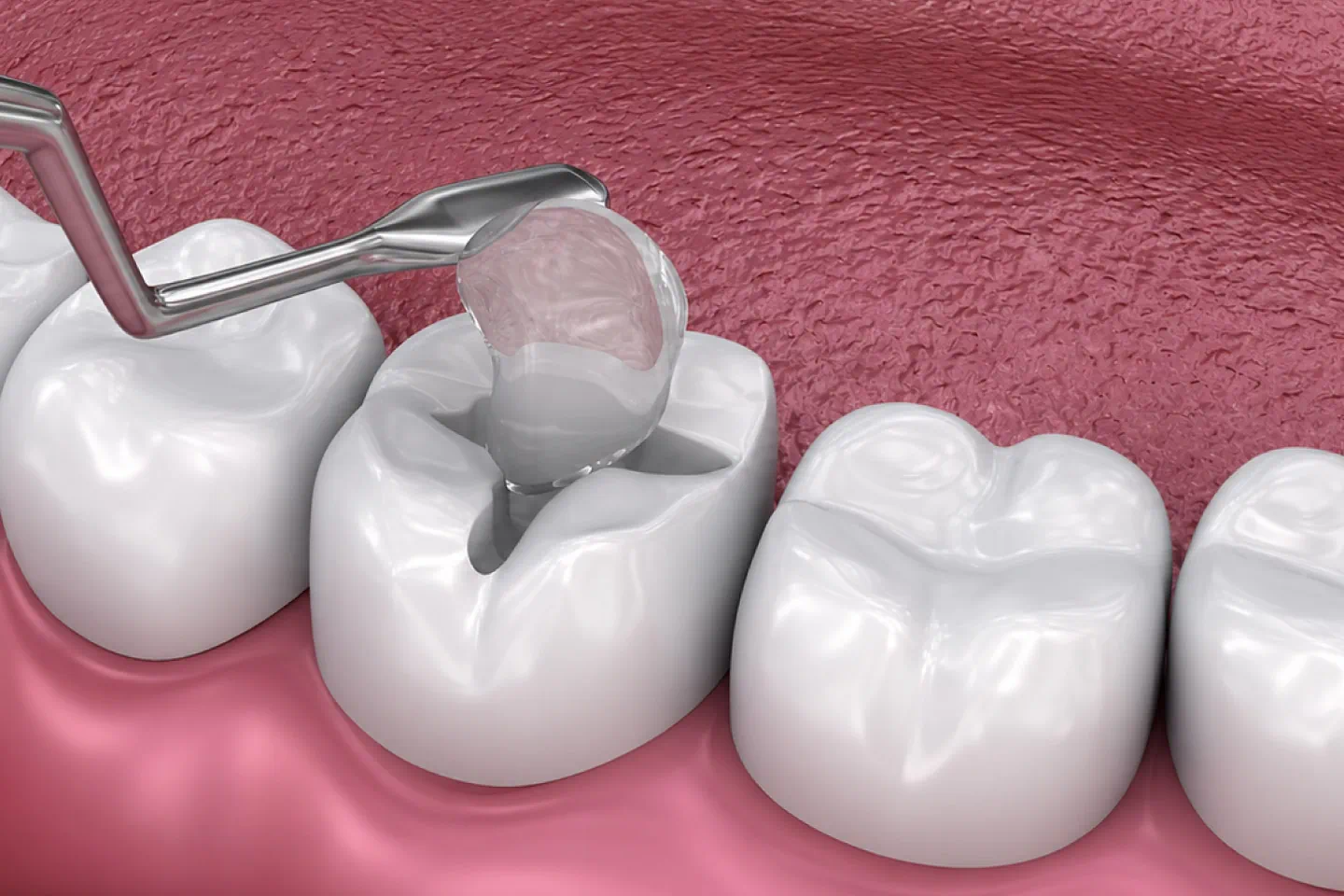
Catching a glimpse of a dark cavity or feeling a sharp edge on a chipped tooth can throw off your entire day. It brings up immediate worries about how the repair will look, if the tooth will feel different when you bite down, or how much natural enamel needs to be removed. Dental care today has moved far beyond old-fashioned metal fixes, offering simple ways to restore your teeth while keeping them looking completely natural.
Modern tooth-colored materials have completely changed how dentists treat minor tooth damage. Instead of relying on silver amalgam restorations that leave noticeable dark spots, dental teams use composite fillings to blend seamless repairs into your smile. These natural-looking options rebuild your tooth structure, protect against further decay, and keep your teeth feeling strong.
At Akshar Family Dental, patient care comes down to clear communication and gentle treatment. Our team takes the time to explain your options plainly, look at your specific needs, and help you keep your smile healthy and confident.
What Are Composite Fillings and How Do They Work?
When asking what composite fillings are, looking at the actual material gives you a clear picture of why they work so well. These tooth-colored options are made from a blend of plastic resins and fine glass particles. This combination creates a sturdy material that mimics the shade, texture, and light-reflecting qualities of natural enamel.
Unlike older silver options that were held in place by fitting into carved notches, composite fillings bond directly to the surface of your tooth. Your dentist places the material in thin layers, shapes it to match your natural tooth contours, and hardens it using a specialized blue light.
Because composite material bonds so tightly to enamel, less healthy tooth structure needs to be removed during the preparation step. This direct bond helps reinforce the surrounding walls of the tooth, sealing off microscopic gaps where bacteria might try to creep back in.
When Do You Need Composite Fillings for Tooth Repair?
Getting treatment early stops small areas of damage from turning into painful, costly problems later on. Dentists recommend composite fillings for several everyday situations where both strength and natural appearance matter.
Treating Tooth Decay and Cavities
The most common reason for getting composite fillings is fixing small to mid-sized cavities. When plaque bacteria soften your outer enamel, your dentist clears away the damaged area and places tooth-colored composite resin to prevent decay from reaching the sensitive inner layers of your tooth.
Repairing Chipped or Cracked Teeth
A sudden crunch on a hard piece of food can easily break off a corner of enamel. Small hairline cracks and rough chips leave teeth vulnerable to further breakage. Dentists use composite material to rebuild those broken edges, smoothing out the surface so your teeth function normally again.
Replacing Old Silver Amalgam Restorations
Many adults have older metal restorations that have darkened over the years or created gray shadows beneath their enamel. Replacing aging amalgam restorations with fresh composite fillings freshens up your smile and removes those old metal spots without sacrificing strength.
Fixing Worn or Uneven Tooth Edges
Grinding your teeth at night or brushing too hard can wear down the biting surfaces over time. Applying composite resin allows your dentist to build back missing height, shielding exposed inner tooth layers from hot and cold temperatures.
Step-by-Step Process: What to Expect During Treatment
Getting composite fillings is a routine, comfortable procedure that usually wraps up in a single visit.
- Selecting the Shade: Before starting any work, your dentist uses a shade guide to pick a resin color that blends seamlessly with your natural tooth color.
- Numbing and Cleaning: Local numbing is applied around the tooth to keep you completely comfortable. Your dentist gently removes the decayed tissue and cleans the area thoroughly.
- Etching the Surface: A mild etching liquid is applied to create microscopic texture on the enamel, helping the bonding liquid grip tightly to the tooth.
- Layering the Resin: Your dentist places the flexible composite resin in thin layers, sculpting it carefully to restore the natural shape of your tooth.
- Curing with Light: A special curing light hardens each layer in a matter of seconds, locking the material into place.
- Polishing and Adjusting: Your dentist checks your bite to make sure everything feels balanced, smooths down any high spots, and polishes the restoration until it feels just like natural enamel.
Comparing Composite Fillings vs. Silver Amalgam Restorations
Understanding how material choices differ helps you see why tooth-colored options have become the standard for modern repairs.
Natural Appearance
Composite material is custom-matched to your enamel, making the repair nearly impossible to spot when you talk or laugh. Silver amalgam stays dark gray, creating noticeable dark patches across your teeth.
Preserving Natural Tooth
Because composite fillings bond directly to enamel, your dentist only removes the decayed or damaged parts of the tooth. Silver amalgam relies on mechanical shape, requiring extra healthy enamel to be removed to lock the metal in place.
Temperature Changes
Metal restorations expand and contract when you drink hot coffee or eat ice cream, which can put pressure on the surrounding tooth structure over time. Composite material responds much more like natural enamel, providing stable support during temperature shifts.
How to Care for Your Composite Fillings Long Term
Taking care of your restorations requires the same consistent daily habits that protect your natural teeth.
- Stick to Daily Hygiene: Brush twice a day with a soft toothbrush and non-abrasive toothpaste. Floss daily around every tooth to keep plaque from building up along the edges of your restorations.
- Protect Teeth from Heavy Pressure: Avoid biting on hard objects like ice cubes, pen caps, or unpopped popcorn kernels. Using your teeth to tear open packages can chip both composite material and natural enamel.
- Wear a Guard for Nighttime Grinding: If you clench or grind your teeth while sleeping, talk with your dentist about getting a custom nightguard to cushion your restorations from heavy force.
- Maintain Routine Dental Checkups: Visit your dental team every six months for routine cleanings and exams. Your dentist will examine your restorations to make sure the bond remains tight and intact.
Schedule Your Composite Fillings at Akshar Family Dental Today
Dealing with a cavity or a broken tooth does not have to be stressful. At Akshar Family Dental, our team focuses on providing gentle, straightforward care that keeps your teeth strong and looking natural. We take the time to answer your questions, assess your needs in a comfortable setting, and deliver treatments built to last.
If you are dealing with tooth discomfort, notice a chip, or need to schedule a routine exam, reach out to Akshar Family Dental today to book your visit for composite fillings!
Frequently Asked Questions About Tooth-Colored Restorations
Q: How long do composite fillings usually last?
A: With regular brushing, flossing, and checkups, composite fillings often last between seven and ten years. Taking good care of your teeth helps them stay in great shape for as long as possible.
Q: Does getting composite fillings hurt?
A: Your team uses local numbing during treatment so you do not feel discomfort while the work is being done. You might notice mild sensitivity to hot or cold for a couple of days afterward, but that usually fades quickly.
Q: Can composite fillings stain over time?
A: Modern composite resins resist stains well, but frequent exposure to coffee, tea, red wine, or tobacco can cause light surface discoloration over time. Daily brushing keeps them looking clean.
Q: Are composite fillings safe for everyday use?
A: Yes, composite resins are widely used across modern dentistry and provide a safe, effective option for repairing cavities and chips in adults and children alike.
Q: Will my insurance cover composite fillings?
A: Most dental plans cover composite restorations. Some policies cover them fully on front teeth and offer partial coverage for back teeth. Your dental office can help check your specific coverage details.
Q: How soon can I eat after getting composite fillings?
A: Since the curing light hardens the material immediately during your appointment, you can eat right away. It is usually best to wait until the numbing wears off so you do not accidentally bite your lip or cheek.


Office Hours
Mon, Tues, Wed, &
Thurs, Sat, & Sun: Closed


Akshar Family Dental provides compassionate, high-quality dental care focused on creating healthy, confident smiles for patients of all ages.


© 2026 Akshar Family Dental | All Rights Reserved | Privacy Policy | Digital Marketing by Remedo