 (408) 716-9000
 Sunnyvale, CA
Veneers in Cupertino, CA
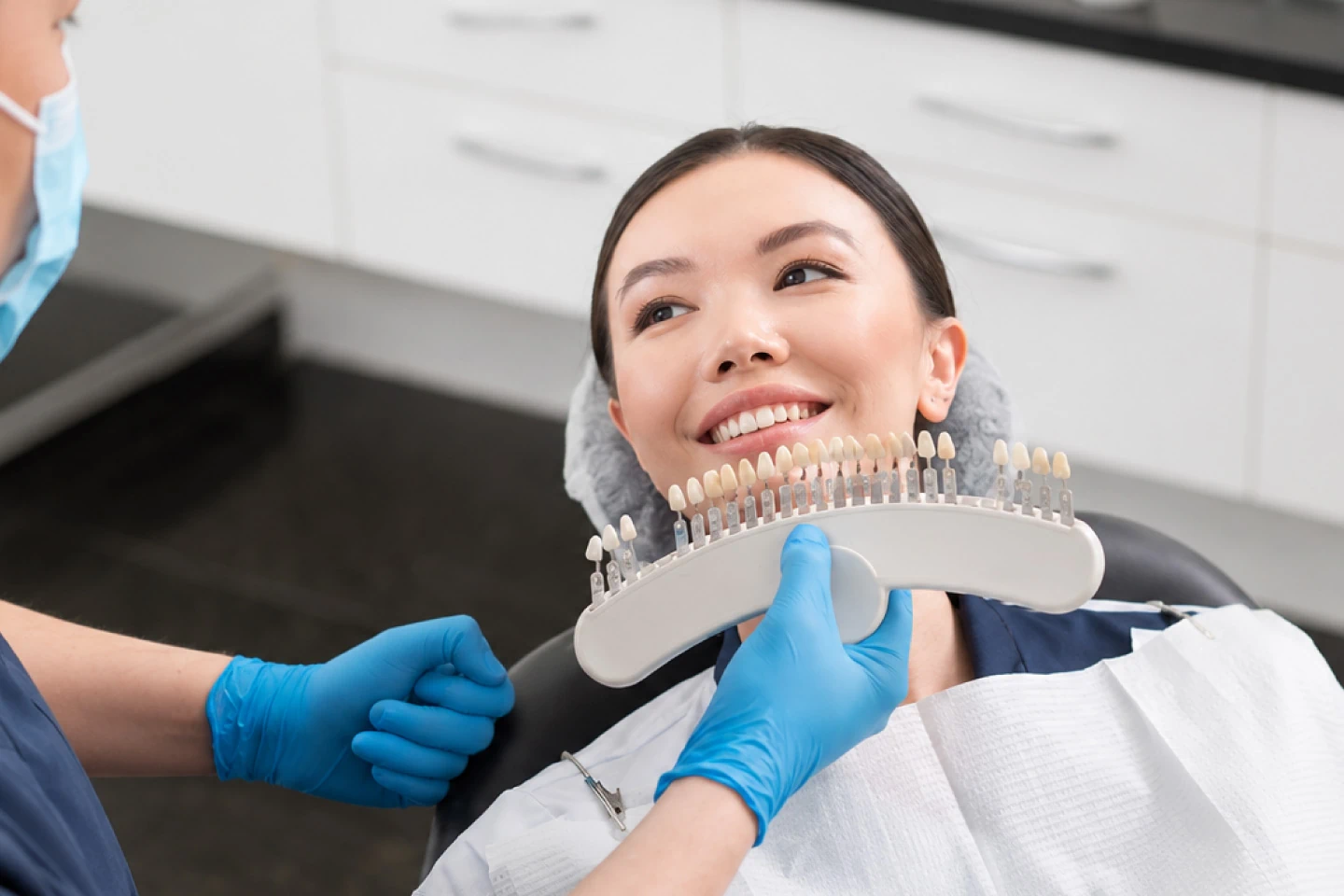
Some smile issues are small on paper but loom pretty large in everyday life. A chipped front tooth you angle away from in photos, a stubborn gap, enamel that stains no matter how well you brush. These are exactly the kinds of concerns veneers were designed to solve. If you have started looking into veneers in Cupertino, you are probably somewhere between curious and ready to book a consultation, so it helps to understand what the process actually involves before you get there.
At their core, veneers are thin custom shells, typically porcelain or composite resin, bonded to the front of a tooth to change its shape, color, or overall appearance. They can be used on a single tooth to fix one specific issue or across several teeth for a broader transformation. Which approach makes sense depends entirely on what you are hoping to change.
Why People in Cupertino Choose Veneers Over Other Options
Veneers occupy a useful middle ground in cosmetic dentistry. They are less invasive than a crown, since far less of the natural tooth structure needs to be altered, but they offer more dramatic and lasting change than whitening alone. That combination is a big part of why veneers in Cupertino tend to come up so often when patients are weighing their cosmetic options.
They also work well for issues that other treatments handle less effectively. Whitening cannot fix a chip. Braces cannot fix discoloration. Veneers can address several of these concerns at once, which appeals to patients who want one solution rather than stacking multiple separate treatments together.
What Veneers Can and Cannot Fix
Veneers are versatile, but they are not a fix for absolutely everything. They work particularly well for chipped or slightly worn teeth, small to moderate gaps, teeth with uneven shape or size, and discoloration that whitening treatments have not fully resolved.
They are generally not the right tool for teeth affected by significant decay, active gum disease, or major structural damage, since those issues usually need to be addressed first through other treatment. Severe misalignment often calls for orthodontic treatment either instead of or alongside veneers, since a shell placed over a badly positioned tooth will not correct the underlying bite issue.
Porcelain or Composite: Choosing the Right Veneer Material
The material you choose affects cost, appointment count, and how long the results tend to last. Porcelain veneers are fabricated in a dental lab from an impression of your teeth, which means the process usually takes two visits spaced a few weeks apart. In exchange for that extra step, porcelain tends to resist staining well and generally offers a longer lifespan.
Composite veneers are built up directly on the tooth by the dentist in a single sitting, which makes them faster and often less expensive upfront. They are a reasonable option for smaller fixes or for patients who want results the same day, though they may need replacement sooner than porcelain and can be somewhat more prone to picking up stains over time.
What to Expect at Your Veneers Consultation
Your first visit is really about assessment and planning. The dentist examines your teeth and gums to rule out issues like decay or gum disease that would need attention before cosmetic work begins, then talks through your goals to figure out which material and approach fit best.
If porcelain is the chosen route, a thin layer of enamel is typically removed to make space for the shell, followed by an impression sent to the lab. A temporary veneer usually covers the tooth in the meantime. Once the permanent veneer comes back, it gets bonded into place and fine-tuned for comfort and bite alignment. Composite veneers skip the lab step, with the material shaped and hardened directly during the same appointment.
How Long Veneers Typically Hold Up
Durability depends on the material and how well you take care of them afterward. Porcelain veneers commonly last somewhere between ten and fifteen years, and sometimes longer with consistent care and regular dental visits. Composite veneers tend to have a shorter run, often landing somewhere around five to seven years, though habits like grinding or biting on hard objects can shorten that window.
It helps to think of veneers as a long-term investment rather than a permanent, one-time fix. Most patients eventually need touch-ups or replacement, and knowing that going in tends to keep expectations realistic.
Keeping Veneers Looking Good Long Term
Caring for veneers is not dramatically different from caring for natural teeth, but a few habits make a real difference. Brushing and flossing consistently protects the gum line and the natural tooth structure underneath the veneer. Steering clear of habits like chewing ice, biting nails, or using teeth as tools helps prevent chips or cracks in the material itself.
If you grind your teeth at night, mentioning that during your consultation is worth it, since a nightguard can help protect both your veneers and your natural teeth from unnecessary wear. Regular dental cleaning and checkups also give your dentist the chance to spot small issues early, before they turn into bigger repairs.
Book Your Veneers Consultation With Akshar Family Dental
If chips, gaps, or stubborn discoloration have been on your mind, veneers might be a simpler fix than you think. Akshar Family Dental can walk you through your options and explain exactly what treatment would look like based on your specific teeth and goals. Reach out to Akshar Family Dental today to schedule a consultation for veneers in Cupertino and get started on a smile you feel good about.
Frequently Asked Questions by Patients in Cupertino
Q: How much do veneers in Cupertino usually cost?
A: Pricing depends on the material chosen and the number of teeth involved, since porcelain and composite veneers fall at different price points. A precise estimate comes after an in-person consultation.
Q: Are veneers a permanent solution?
A: They are more accurately described as long-term rather than permanent, since porcelain veneers typically last ten to fifteen years and composite veneers somewhat less before needing replacement.
Q: Is the veneer process painful?
A: Local anesthesia is generally used when enamel needs to be removed, so discomfort during the procedure is usually minimal. Any post-treatment sensitivity is often manageable with over-the-counter pain relief.
Q: Can veneers fix teeth that are noticeably crooked?
A: Mild misalignment can often be visually improved with veneers, but more significant crookedness is usually better addressed with orthodontic treatment, sometimes paired with veneers afterward.
Q: How many visits does getting veneers typically take?
A: Porcelain veneers usually need two appointments because of lab fabrication time, while composite veneers can frequently be completed in one visit.
Q: Do veneers look noticeably artificial?
A: Veneers are custom matched in shade and shape to blend with your natural smile, and most patients find the final result looks natural rather than obviously done.


Office Hours
Mon, Tues, Wed, &
Thurs, Sat, & Sun: Closed


Akshar Family Dental provides compassionate, high-quality dental care focused on creating healthy, confident smiles for patients of all ages.


© 2026 Akshar Family Dental | All Rights Reserved | Privacy Policy | Digital Marketing by Remedo