 (408) 716-9000
 Sunnyvale, CA
Veneers in Mountain View, CA
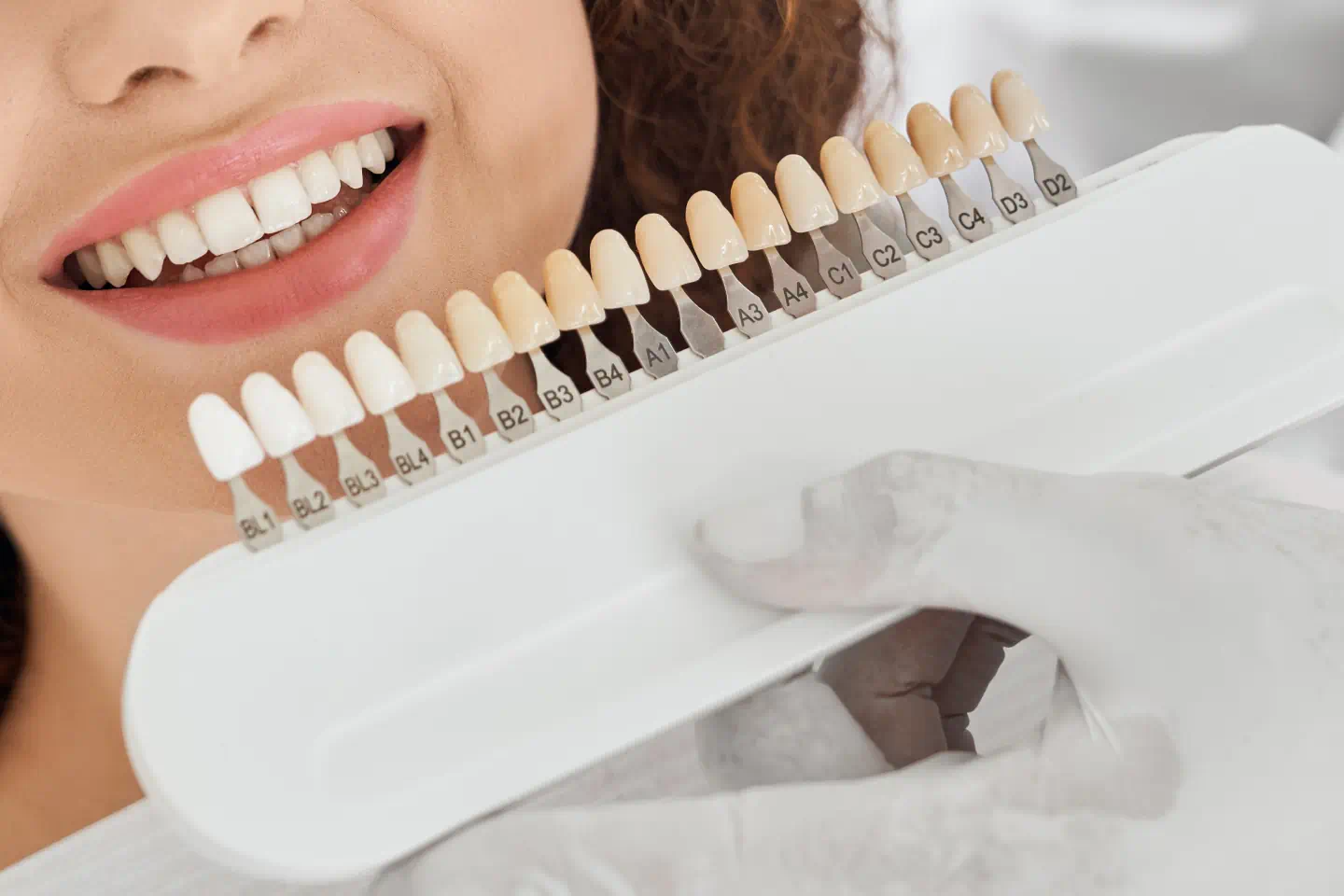
There is a specific kind of smile frustration that veneers tend to solve better than almost anything else. Maybe it is a chip you have been self-conscious about for years, a gap that never quite closed the way you wanted, or teeth that stain no matter how carefully you brush. If any of that sounds familiar, looking into veneers in Mountain View is probably a natural next step, and understanding how the whole process works can make the decision feel a lot less intimidating.
Veneers are thin shells, usually made of porcelain or composite resin, custom-fitted to the front surface of your teeth. They are one of the more versatile options in cosmetic dental care, since a single veneer can fix a specific chip or an entire set can transform the look of your whole smile. The right approach really depends on what you are trying to change and how much of your natural tooth structure you want to preserve.
What Veneers Can Actually Fix
Veneers tend to work well for a fairly specific set of concerns. Chipped or worn teeth are a common reason people look into veneers, since a shell placed over the front surface can restore a more even, natural-looking edge. Gaps between teeth, especially smaller ones that do not necessarily need orthodontic correction, are another situation where veneers often provide a faster fix than braces or aligners.
Discoloration that does not respond well to professional teeth whitening, whether from certain medications, old fillings, or naturally darker enamel, is another area where veneers in Mountain View come up frequently in consultations. Teeth that are slightly misshapen or uneven in size can also be reshaped visually through veneers without requiring more invasive procedures.
Porcelain vs Composite Veneers: What Is the Difference
Not all veneers are built the same way, and the material choice affects cost, durability, and how the process unfolds. Porcelain veneers are custom crafted in a dental lab based on impressions of your teeth. They tend to hold their color well over time and generally offer a longer lifespan, though they usually take two visits to complete since fabrication happens off-site.
Composite veneers, on the other hand, are sculpted directly onto the tooth by the dentist in a single visit. They tend to cost less upfront and can often be completed the same day, though they may not last quite as long as porcelain and can be more prone to staining over time. Neither option is universally better. Which one makes sense really depends on your budget, timeline, and how many teeth are involved.
What Happens During a Veneers Consultation For Mountain View Patients
The process usually starts with a conversation about what you want to change and why. Your dentist will examine your teeth, check for any underlying issues like decay or gum disease that would need to be addressed first, and talk through which type of veneer fits your goals and budget.
For porcelain veneers, a small amount of enamel is typically removed to make room for the shell, and an impression is taken to send to the lab. A temporary veneer is often placed while you wait for the permanent one to be fabricated. Once the final veneer is ready, it gets bonded into place and adjusted for a comfortable, natural-feeling fit. Composite veneers skip the lab step entirely, since the material is shaped and bonded directly during the appointment.
How Long Do Veneers Typically Last
Longevity varies depending on the material and how well the veneers are cared for over time. Porcelain veneers commonly last somewhere in the range of ten to fifteen years, sometimes longer with good care and regular checkups. Composite veneers generally have a shorter lifespan, often somewhere around five to seven years, though this can vary based on habits like grinding or biting on hard objects.
Neither type is meant to be permanent in the sense of lasting forever without ever needing replacement. Most patients treat veneers as a long-term investment that will eventually need touch-ups or replacement down the road, rather than a one-time fix that never requires attention again.
Caring for Veneers After Treatment
Veneers do not require dramatically different care than natural teeth, but a few habits help protect them and extend how long they last. Regular brushing and flossing remain just as important as before, since the gum line and underlying tooth structure still need consistent care. Avoiding habits like chewing ice, biting fingernails, or using teeth to open packaging can prevent chips or cracks in the veneer material.
If you grind your teeth at night, a dentist may recommend a custom nightguard to protect both your veneers and your natural teeth from excess wear. Routine dental checkups also give your dentist a chance to catch any early signs of wear or damage before they become bigger problems.
Is Veneer Treatment Right for Your Smile
Not everyone is an ideal candidate for veneers, and a consultation is really the only reliable way to know for sure. Veneers generally work best for patients with reasonably healthy teeth and gums, since underlying issues like active decay or gum disease usually need to be treated first. Patients considering veneers in Mountain View with more significant alignment issues may find that clear braces treatment, either alone or combined with veneers, produces a more balanced result.
Your dentist can walk you through whether veneers make sense for your specific situation or whether a different cosmetic approach might serve your goals better.
Schedule Your Veneers Consultation With Akshar Family Dental
If chips, gaps, or discoloration have been holding your smile back, veneers might be the straightforward fix you have been looking for. Akshar Family Dental can walk you through your options and help you understand exactly what treatment would involve for your specific teeth and goals. Reach out to Akshar Family Dental today to schedule a consultation for veneers in Mountain View and take the next step toward a smile you feel confident sharing.
Frequently Asked Questions by Patients in Mountain View
Q: How much do veneers in Mountain View typically cost?
A: Cost depends on the material used and how many teeth are being treated, since porcelain and composite veneers sit at different price points. A personalized estimate comes after a consultation and exam.
Q: Are veneers permanent?
A: They are considered a long-term solution rather than a permanent one, since most veneers eventually need replacement after ten to fifteen years for porcelain or a somewhat shorter window for composite.
Q: Does getting veneers hurt?
A: The process is typically done with local anesthesia when enamel needs to be removed, so discomfort during treatment is usually minimal. Mild sensitivity afterward is common and generally manageable with over-the-counter pain relief.
Q: Can veneers fix crooked teeth?
A: Veneers can visually improve mild misalignment, but more significant crookedness may be better addressed with orthodontic treatment, sometimes combined with veneers for a fuller result.
Q: How many appointments do veneers usually take?
A: Porcelain veneers typically require two visits due to lab fabrication time, while composite veneers can often be completed in a single appointment.
Q: Will my veneers look natural?
A: Veneers are custom shaded and shaped to match the rest of your smile, and most patients find the result looks natural rather than obviously artificial once the fitting process is complete.


Office Hours
Mon, Tues, Wed, &
Thurs, Sat, & Sun: Closed


Akshar Family Dental provides compassionate, high-quality dental care focused on creating healthy, confident smiles for patients of all ages.


© 2026 Akshar Family Dental | All Rights Reserved | Privacy Policy | Digital Marketing by Remedo